
How Arrest Warrants Work in Hardeman County
Under Texas law, an arrest warrant is a written order from a magistrate. It orders an officer to take someone into custody. A sworn complaint or affidavit supplies the facts a judge reviews. Which court issues one depends on the case. In Hardeman County, the 46th District Court handles district criminal matters, while the County Court, the JP, and the municipal courts each hold their own jurisdiction. A local search result is only one piece. The clerk may hold the case record, a peace officer may carry the service assignment, and the sheriff's office is the public custody contact named in the county materials. So ask each office directly. A Hardeman County warrant question usually takes more than one call.
Hardeman County Arrest Warrant Complaint Route
In Hardeman County, a sworn complaint or affidavit goes to a judge or magistrate. That is the first step. The magistrate reviews whether the facts meet the probable-cause standard. If they do, the judge signs the order. It names the person and the authority to arrest. A justice or municipal judge can issue an arrest warrant for a matter within that court's reach under Texas Chapter 45A. That order is not a citation or summons. The issuing court holds the exact case stage and filing details. Families often have a notice or case number in hand. Call the court named on it. Ask whether the file holds an arrest warrant or a different order. The Texas Code of Criminal Procedure Chapter 15 sets the statewide arrest-warrant framework.
Arrest Warrants: What They Contain
A warrant record ties the order to the issuing court and its case. Hardeman County publishes no local warrant-number pattern. Use the cause number from court paperwork instead of guessing. The clerk can tell you which parts are public and whether anything is sealed or redacted.
| Identifier | Warrant or cause number and linked court file. |
|---|---|
| Authority | Issuing judge or magistrate and the court’s name. |
| Basis | Sworn complaint or affidavit and probable-cause finding. |
| Offense | Charge, statute, and classification if shown. |
| Action | Issue date, service return, bond term, and recall or clearance entry. |
Under Article 15.26, an executed warrant can become public, subject to other confidentiality rules. Sealed or juvenile records are different. An ordinary request in Hardeman County may not reach them.
Hardeman County Arrest Warrant Court in Vernon
The 46th District Court serves Hardeman, Foard, and Wilbarger Counties. Its courtroom is in Vernon. The 2025 OCA directory lists that location, not Quanah. The county clerk function stays tied to the Hardeman courthouse, so the courtroom and the record desk may sit in different places. For a Hardeman County arrest warrant at the district level, or a missed setting, call the court coordinator at (940) 552-7051. Call before traveling. Ask which clerk holds the case and whether counsel should file a motion or set an appearance. The state court directory is the source for the Vernon location.
How Warrants Get Served in Hardeman County
The court assigns the service. The sheriff, city police, a constable, or another peace officer may execute the order. Hardeman County does not say which agency serves each warrant. No dedicated warrant desk is published either. The sheriff page lists a general office number, the jail address, and stated weekday office hours. After an arrest, Texas law requires the person to go before a magistrate without unnecessary delay and generally within 48 hours. The magistrate gives required warnings. Bail is addressed when allowed. Hardeman County posts no local booking timeline or bond window schedule, so use the official sheriff page for custody or surrender questions and ask where booking is handled.
Hardeman County Sheriff’s Office
318 Mercer Street
Quanah, TX 79252
(940) 663-5374
Hardeman County Arrest Warrant Service
After an arrest, ask the holding agency where the initial appearance will happen. Ask how to reach the magistrate. The court record should name the cause, the issuing authority, the charge, and any bond term. The sheriff's general phone can route custody questions. The sheriff cannot recall the warrant or decide the charge. No Hardeman County assignment table is published. Quanah and Chillicothe police handle city roles, the sheriff runs the county jail, and a constable may serve court process. When the information may be released, the issuing court can name the officer assigned to a Hardeman County warrant.
Arrest Warrants, Summonses, and Bench Warrants
These terms mark different steps. A summons tells a person to appear. An arrest warrant authorizes custody based on a probable-cause complaint, while a Hardeman County bench warrant is the usual label for a judge's order after a missed date or another court obligation.
| Record | Purpose | Hardeman route |
|---|---|---|
| Summons | Directs a person to appear | Court named on the notice |
| Arrest warrant | Authorizes taking a person into custody | Issuing judge and assigned officer |
| Bench warrant | Responds to missed court duty or noncompliance | Court that set the date |
In Hardeman County, a capias pro fine is different again. It follows judgment and directs an officer to bring the person before the lower court under Chapter 45A.
Hardeman County Federal Warrants Use Separate Courts
A federal warrant is not a county matter. Neither the Hardeman County sheriff nor the Texas DPS FTA/FTP system searches one. Hardeman County sits in the Northern District of Texas, Wichita Falls Division. PACER can search federal dockets. Sealed matters may not appear, and registration or fees may apply. The federal phone service McVCIS offers limited case information at 1-866-222-8029, but it is not a local warrant confirmation line; the PACER case-search page describes the federal route.
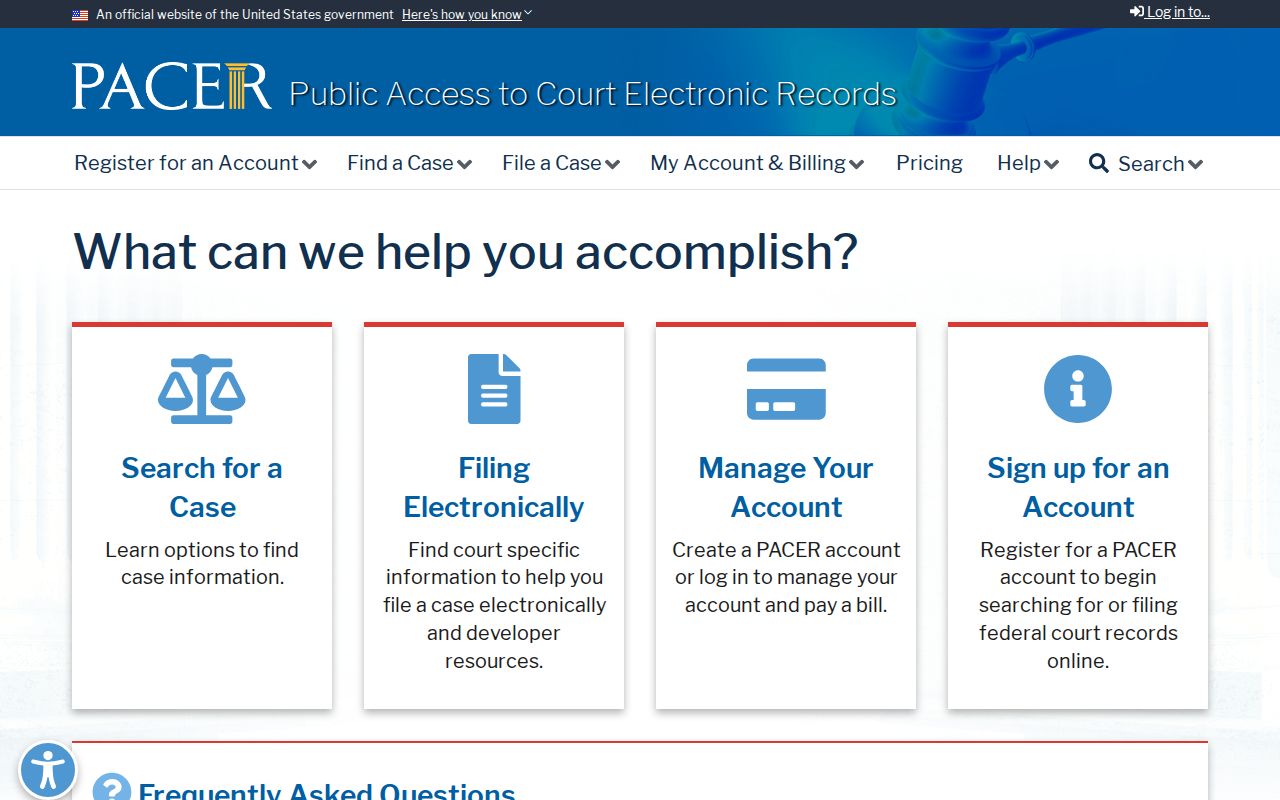
If a notice names a federal court, use that court; the Hardeman County clerk keeps no federal docket.
Hardeman County Federal Warrant Phone Search
McVCIS answers the phone at all hours. The automated federal service takes a participant name, a corporation name, a case number, or another permitted field. What it returns is limited case data. It cannot tell you whether a Hardeman County judge signed an arrest warrant. Fugitive matters go to the U.S. Marshals Service and the federal court, not ordinary county law enforcement. The FBI wanted page is a curated investigative program. It is not a full federal warrant register.
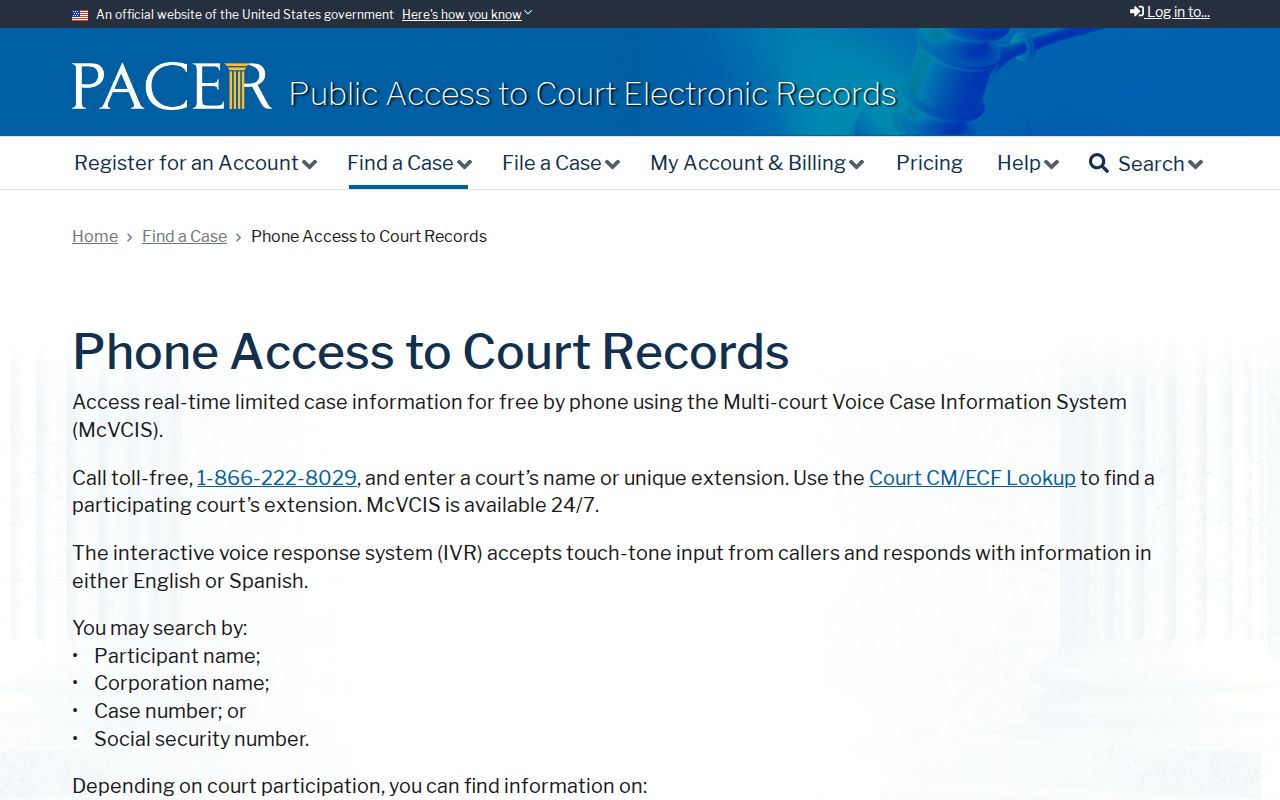
The federal phone access page explains that service’s limits.
Handling an Arrest Warrant in Your Name
Call the issuing court first. Talk with a lawyer before you appear anywhere. Counsel may arrange a walk-through, request a hearing, seek a recall or quash order, or address bond before an arrest happens. Hardeman County publishes no local bond schedule, no walk-in procedure, no motion form, and no list of accepted payment methods, so ask the court directly. If you must surrender, confirm the place and timing with the sheriff at (940) 663-5374. Ask what identification and case details to bring. Once it is done, get the bond papers, court order, or docket entry. Then confirm when the court will mark the warrant recalled or served, because serving a warrant does not by itself close the case.
Do not guess at bond: Get the exact amount and release terms from the issuing court or holding agency before arranging payment.
Need the case record itself? The county clerk page explains eDoc access from October 31, 2006 forward, plus the paper-book route for older files.
Hardeman County Arrest Warrant Access Rules
Texas sets the access rules for executed arrest warrants and their affidavits in Code of Criminal Procedure Article 15.26. Search-warrant affidavits sit under Chapter 18 instead. Some files stay closed. Juvenile records, sealed material, and law-enforcement papers tied to an active investigation may be withheld or redacted. A written request under Texas Government Code Chapter 552 should name the record, the case number, and a date range. Send it to whichever office likely holds the file. Hardeman County's sheriff page posts a general contact, and the County Clerk/combined office can say which clerk function keeps a district or county record. Read the Texas Public Information Act for the full text. Confirm any release limit with the agency itself.